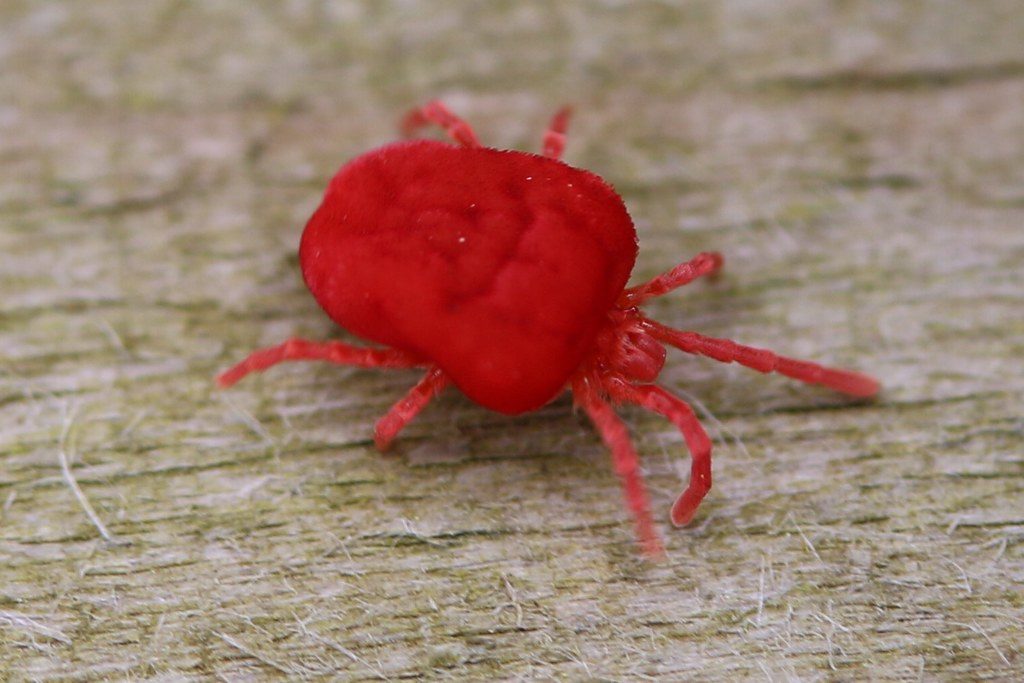
Red mites (Dermanyssus gallinae) are nocturnal, blood-sucking parasites that can cause anemia, stress, and reduced egg production in chickens. It is important to detect and control red mite as quickly as possible. There are lots of ways to prevent and control the mites – read on for some top tips.
Identifying Red Mite
Red mites are tiny ectoparasites, measuring less than 1mm, and are yellow-brown when unfed, and turning bright red after feeding on chicken blood. They hide in cracks and crevices in coops and nesting boxes during the day, and feed on birds at night. Their lifecycle is rapid, taking just 7-10 days to grow from an egg to an adult under warm conditions, which allows populations to multiply extremely quickly.
Mites can survive up to nine months without feeding, meaning empty coops can still house the mites.
Signs of Red Mite
Chickens infested with red mites may show:
- Pale combs and wattles due to anemia
- Feather pecking, restlessness, and changes in roosting habits
- Reduced egg production and weakness
- Scratching and discomfort at night
Chicks are particularly vulnerable, as mite saliva is toxic. Early infestations may be subtle, but heavy infestations are visible as tiny red specks on birds, eggs, and coop surfaces.
Treatment of Red Mite
Treating red mite thoroughly and quickly gives the best chance of controlling the infestation and preventing it recurring.
- Clean the coop thoroughly, removing all bedding and wash with detergent.
- Use a poultry-safe disinfectant to break the mite life cycle.
- Use Diatomaceous Earth powders in crevices, on bedding and on the chickens to dehydrate mites.
- Repeat treatment every 5-6 days, until all signs of mite are gone, to prevent reinfestation.
Prevention of Red Mite
- Routine cleaning: Remove dust and dirt from corners and perches to reduce hiding spots for mites.
- Quarantine new birds: Prevent introduction of mites from any new chickens you get.
- Encourage dust bathing: Allow hens to self-treat with Diatomaceous Earth in soil or dust baths.
- Protect feed: Keep feed covered to prevent wild birds from introducing mites.